The Matter At Hand
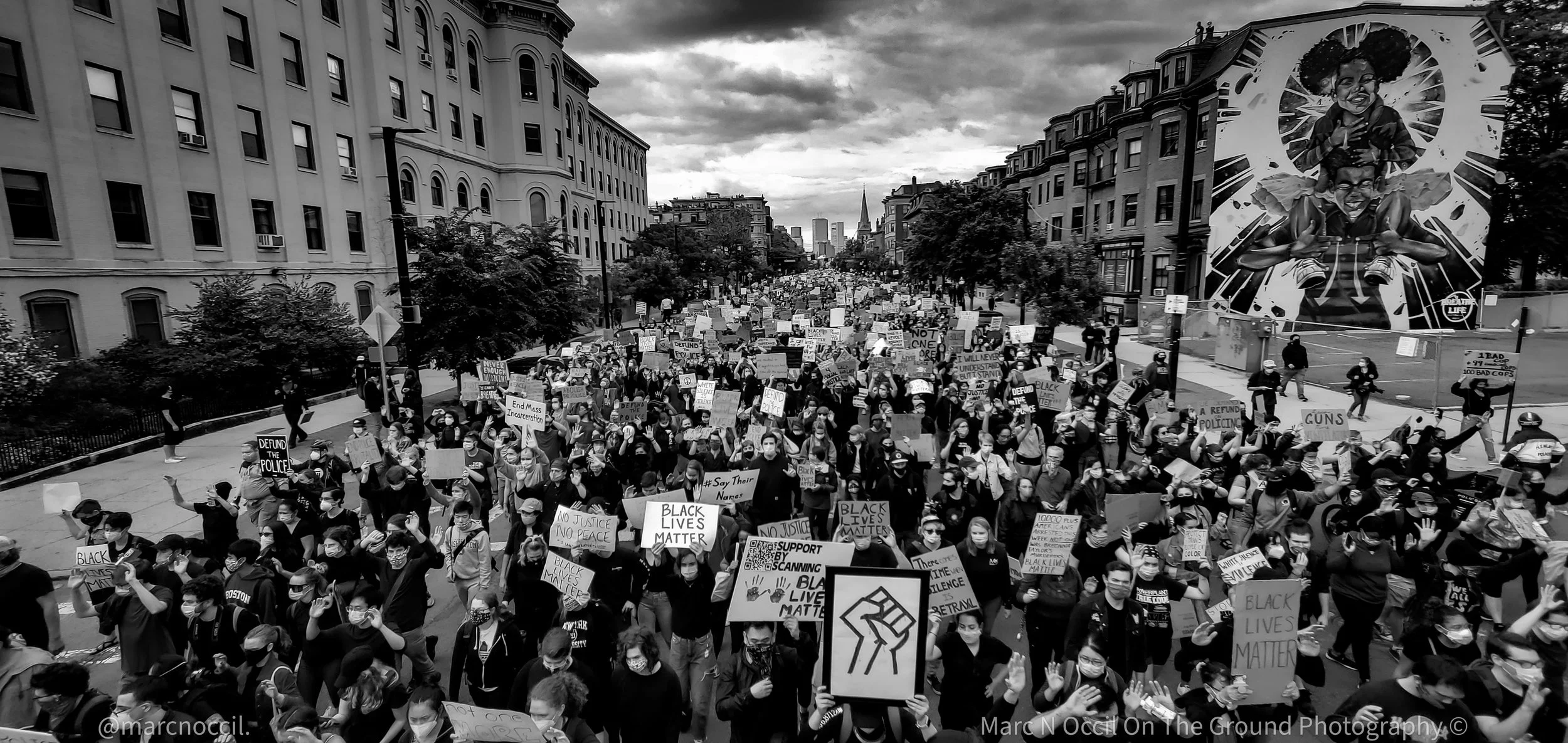
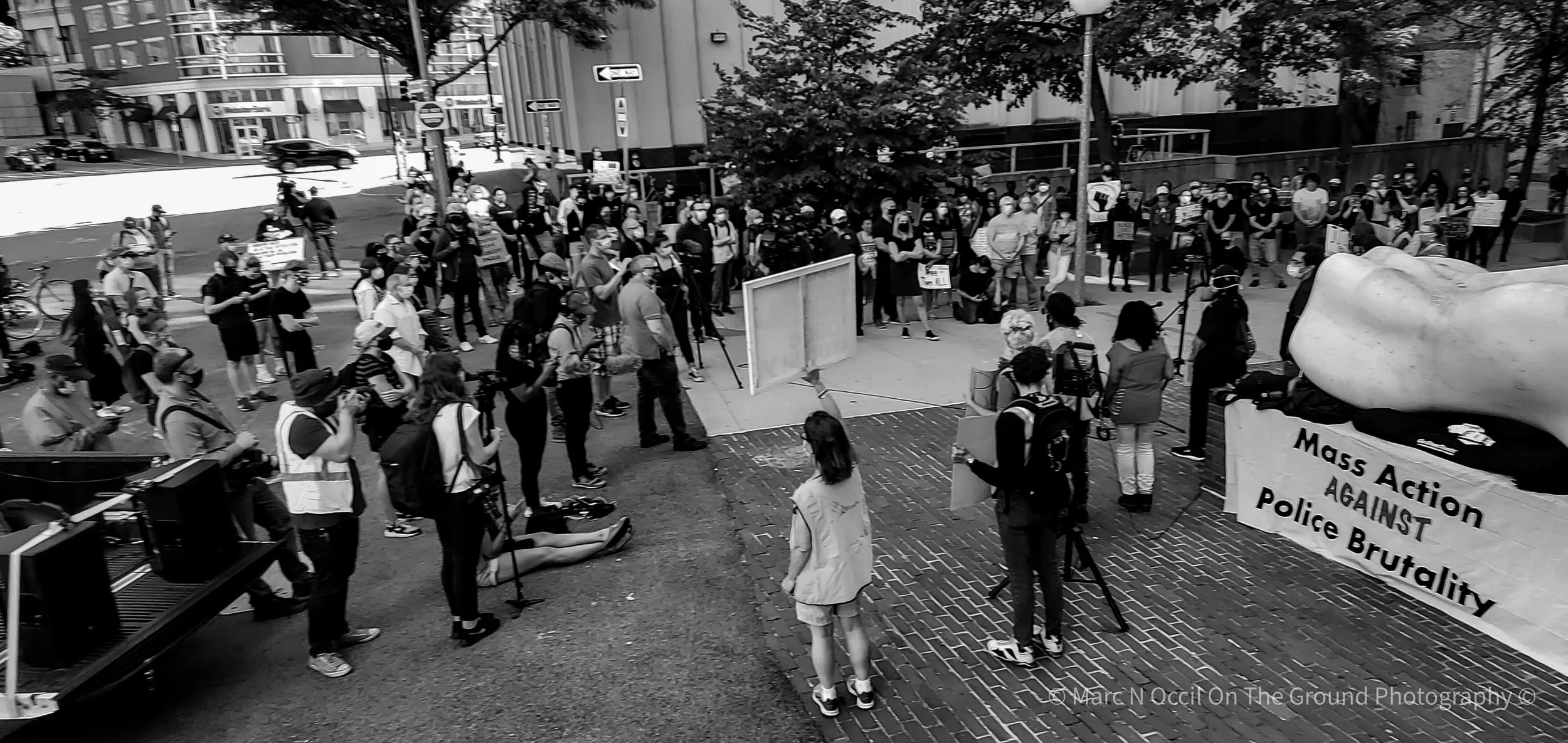
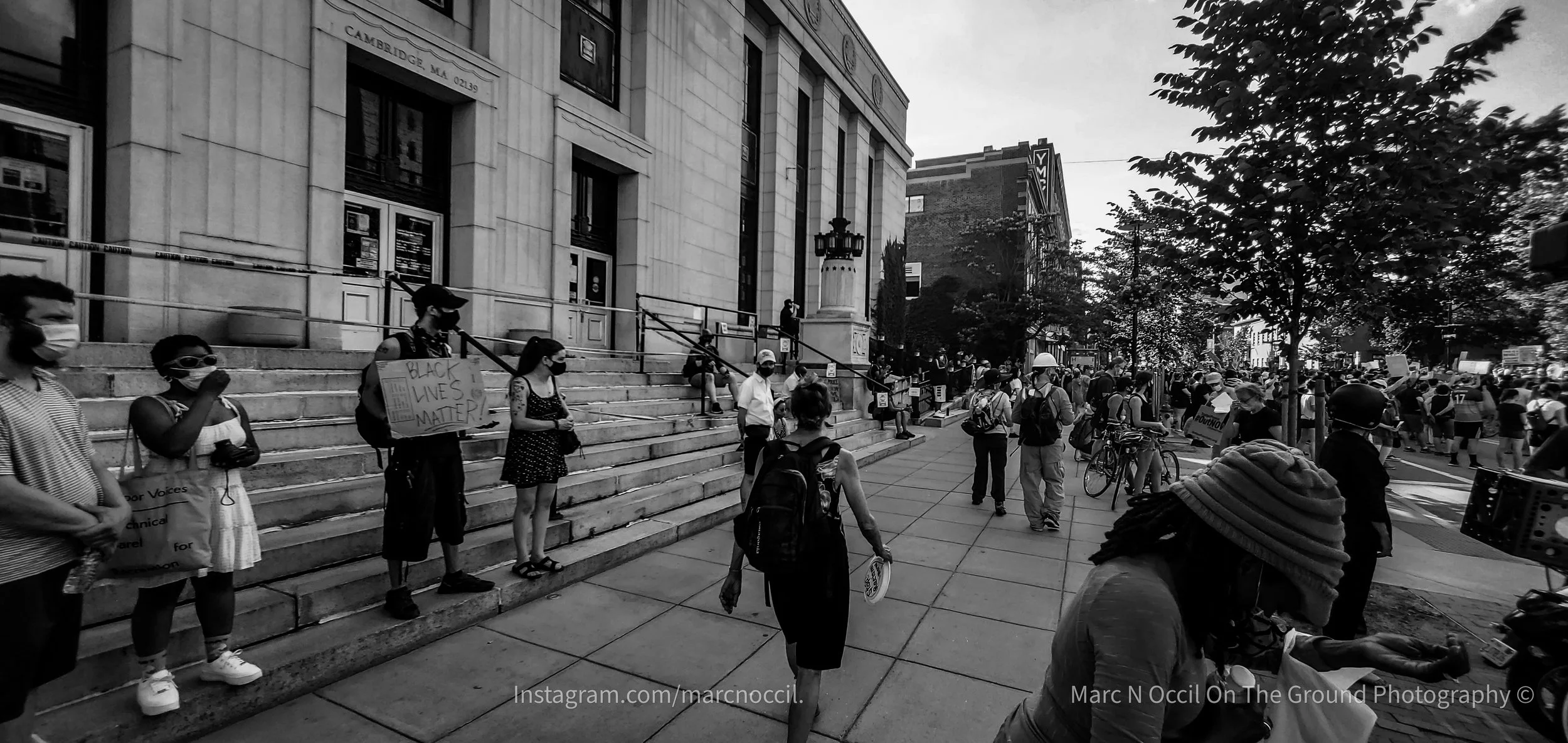
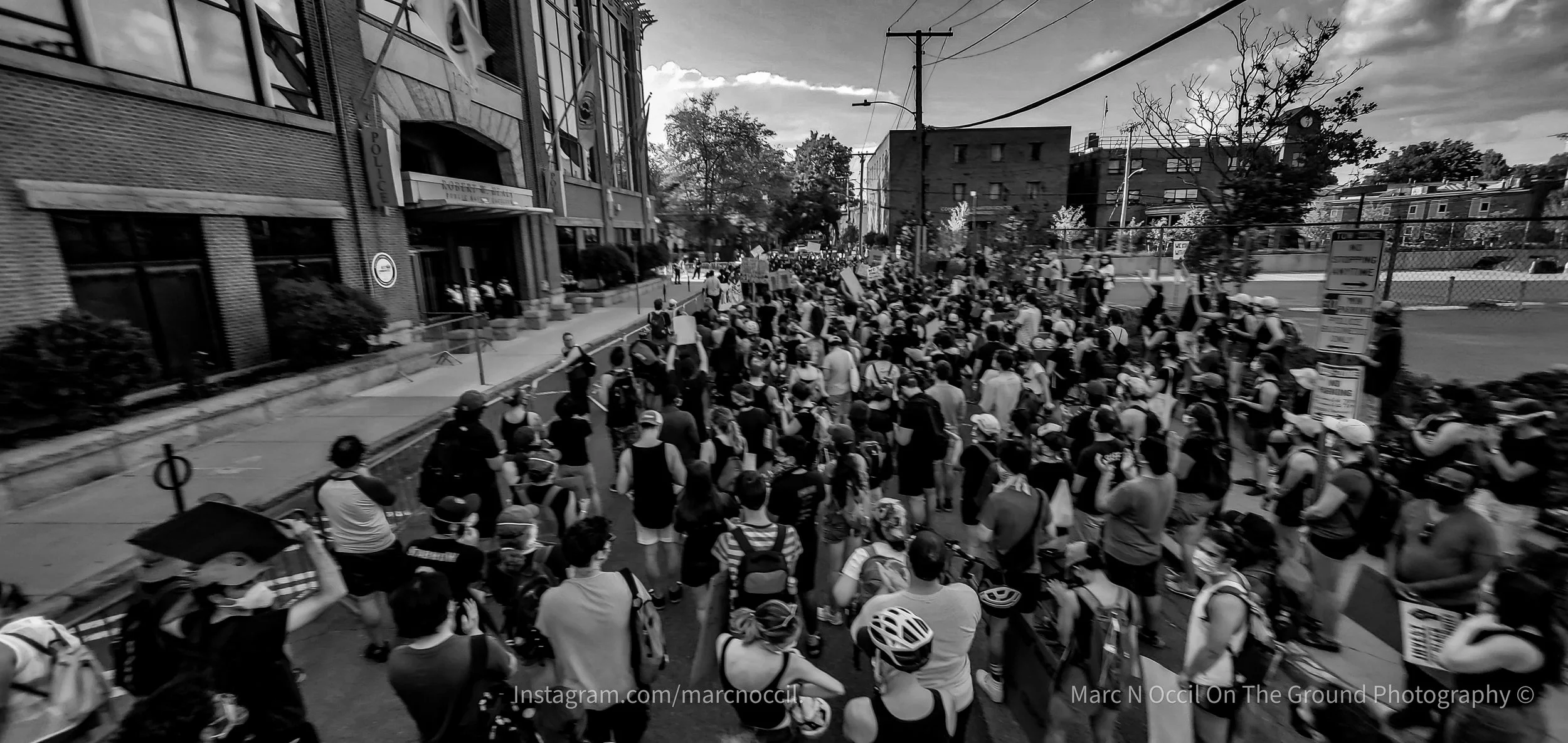
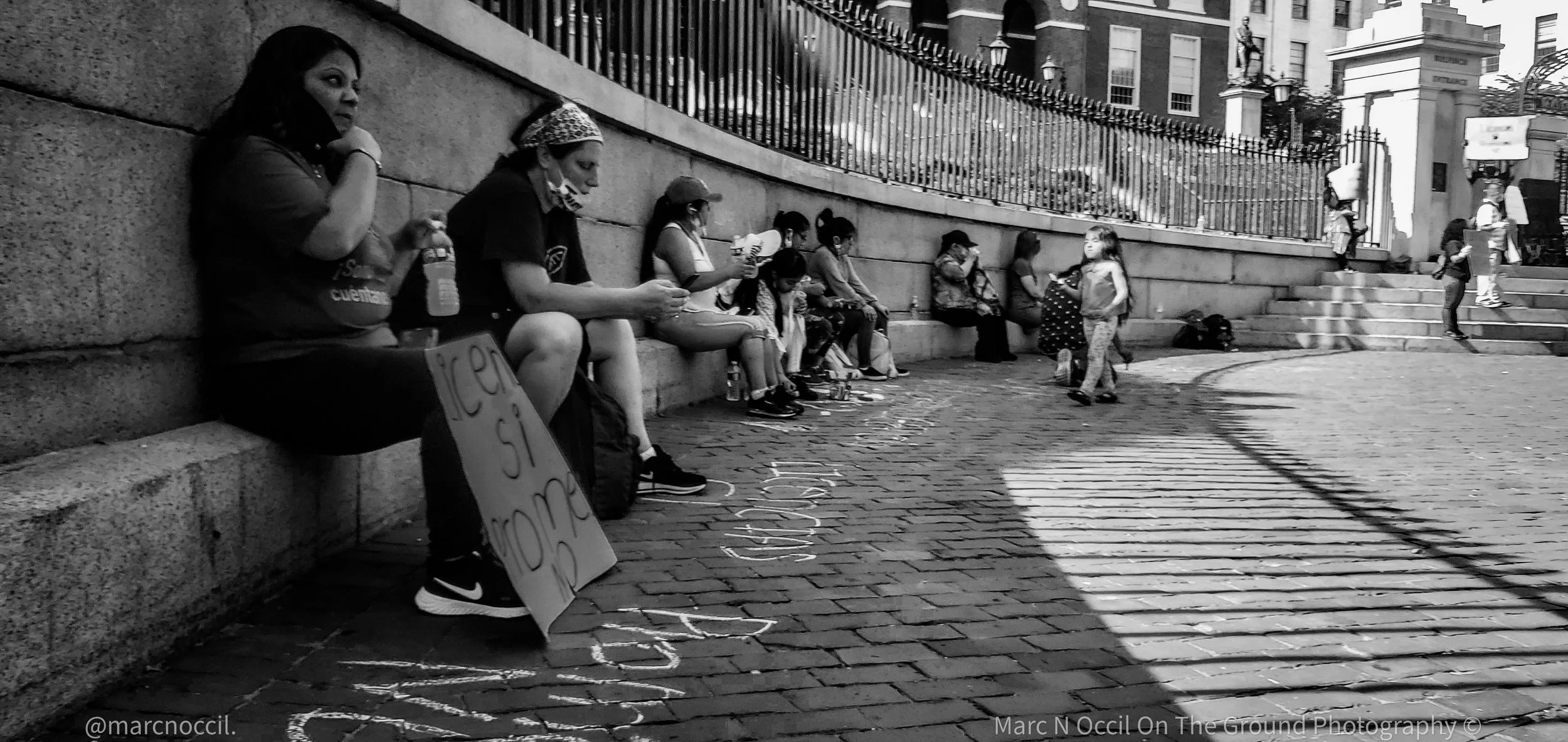
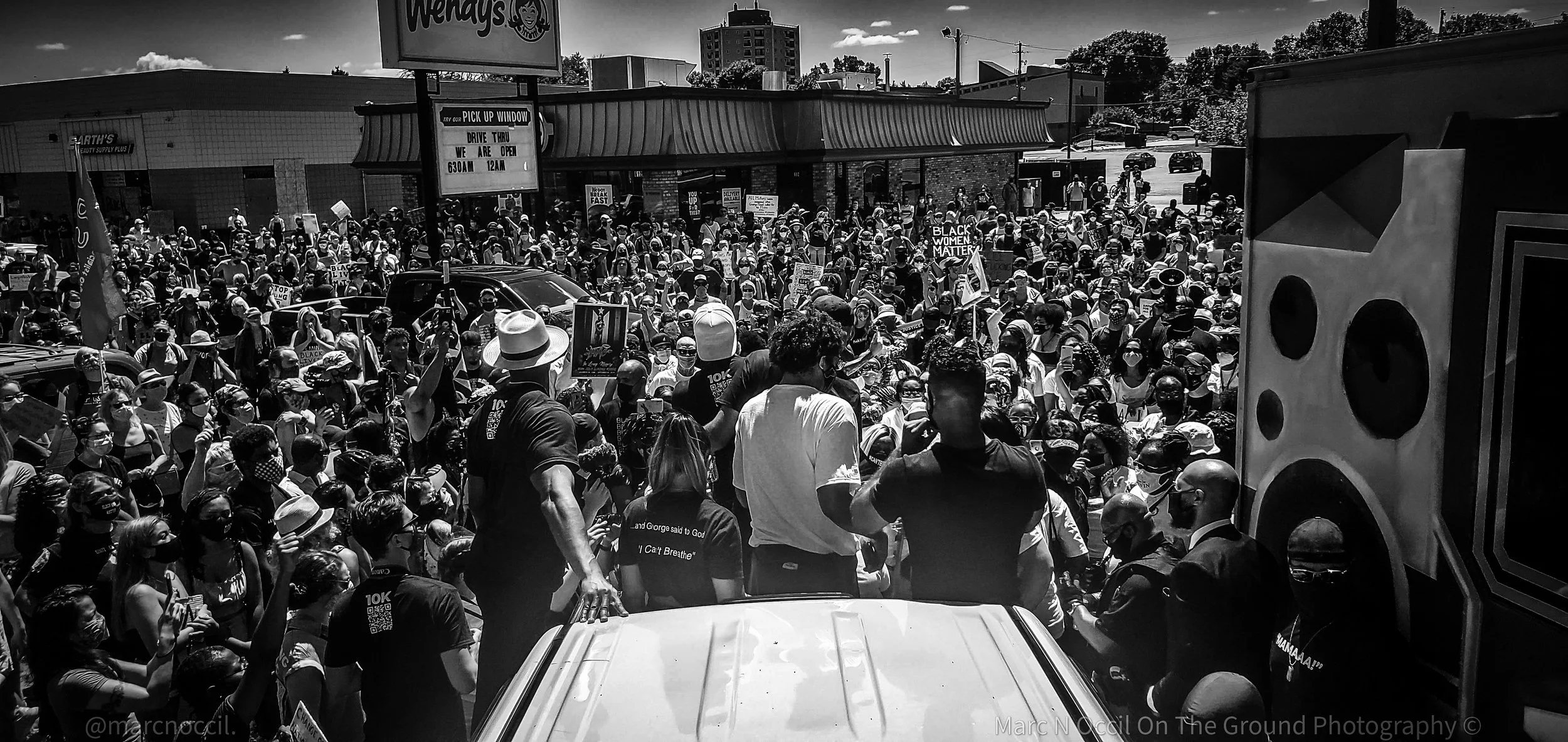
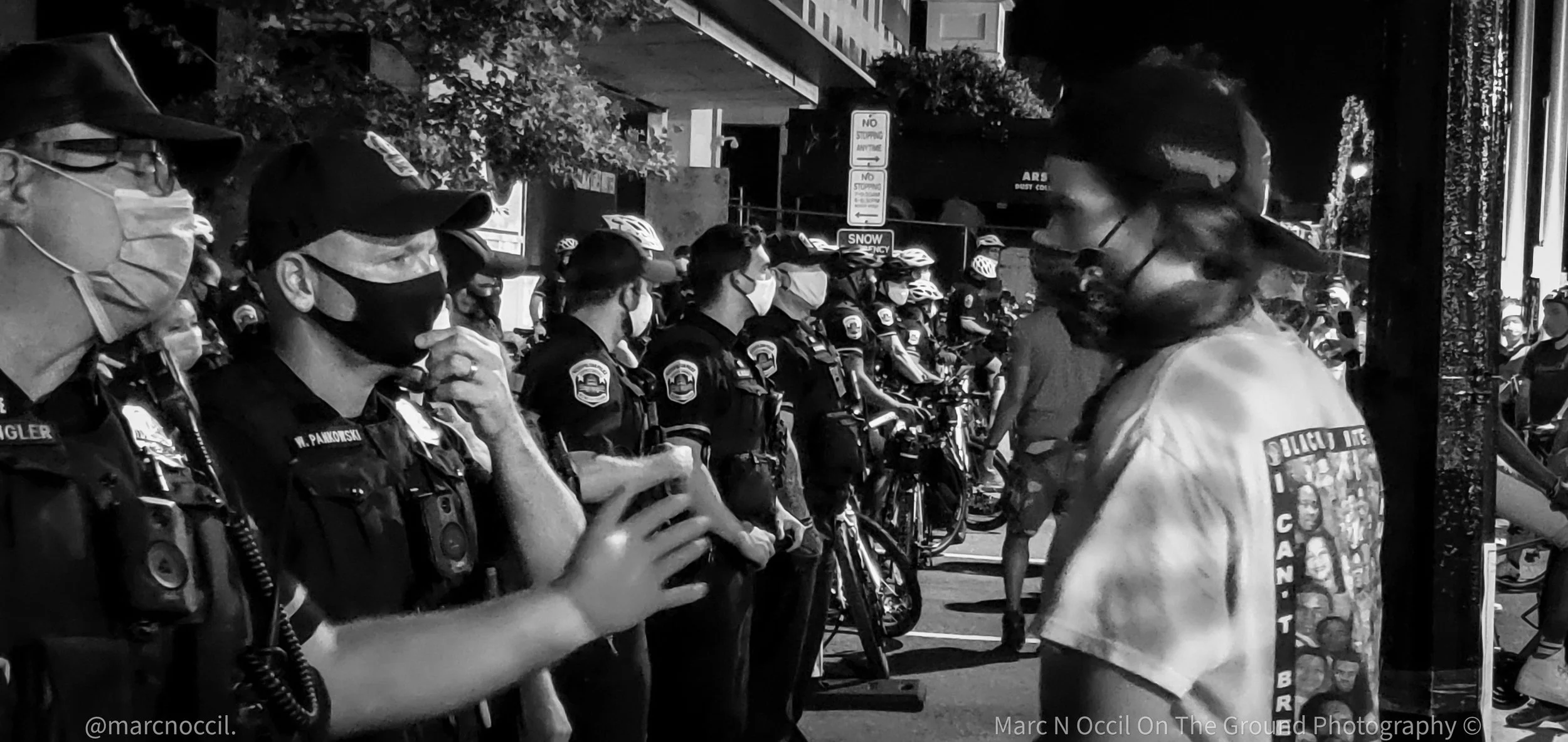
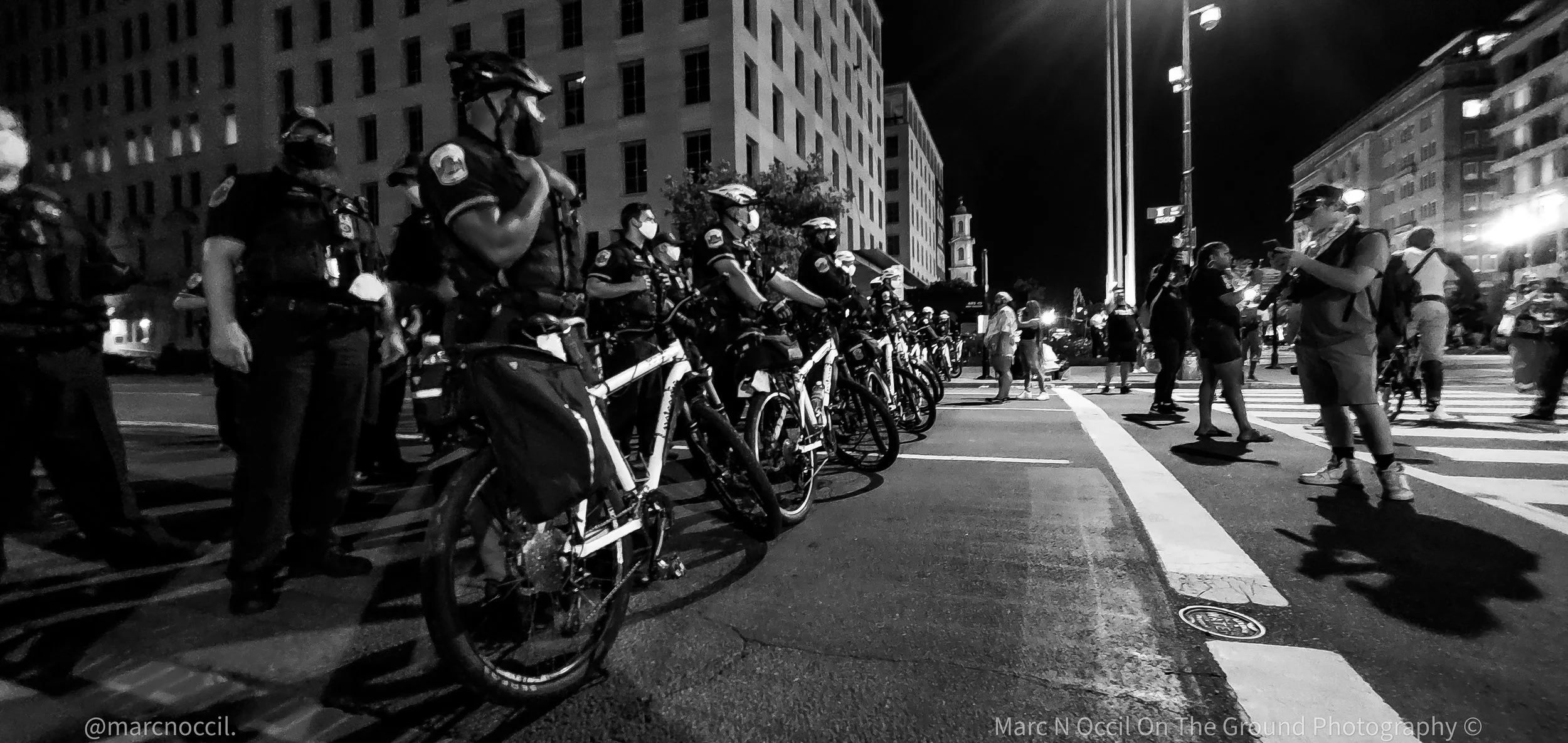
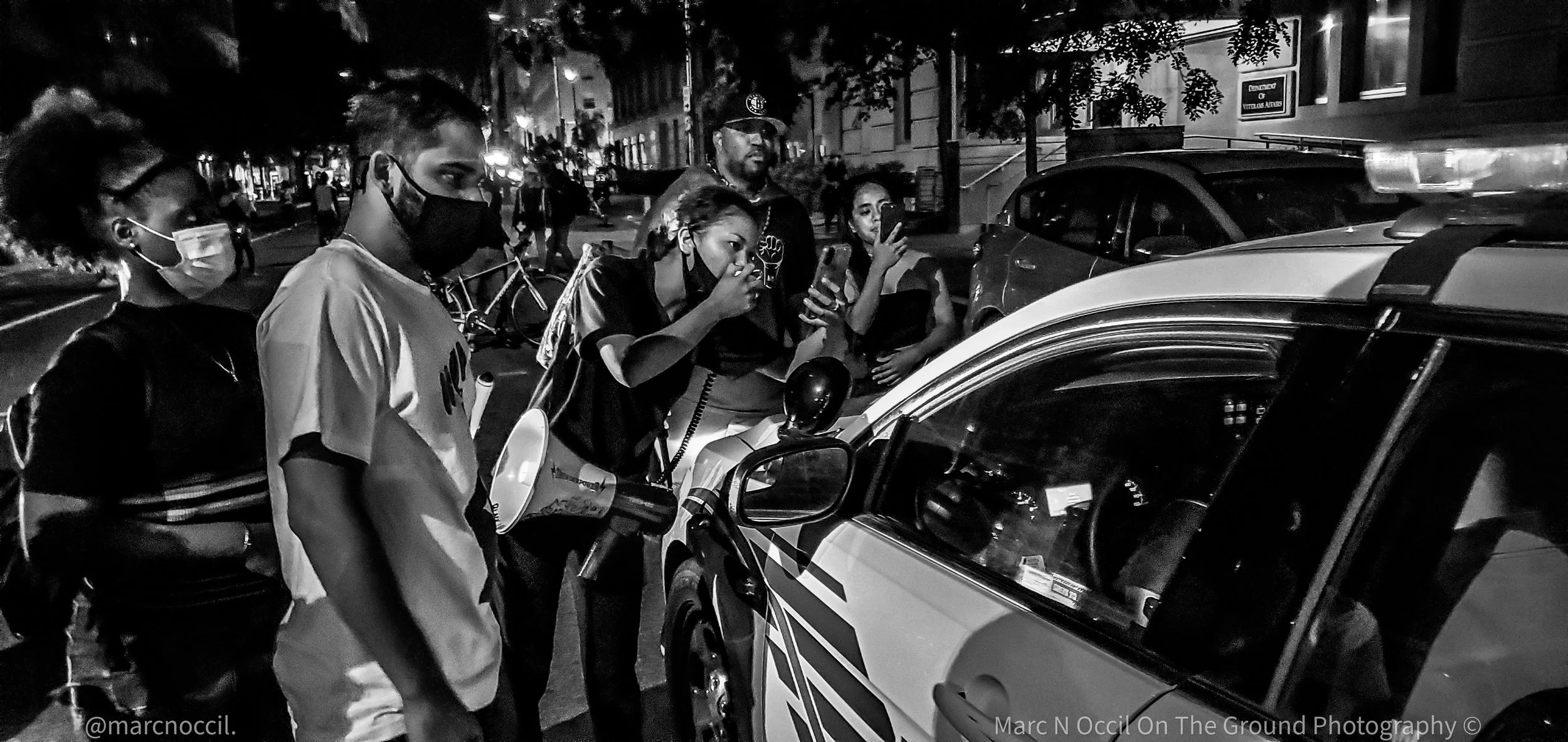
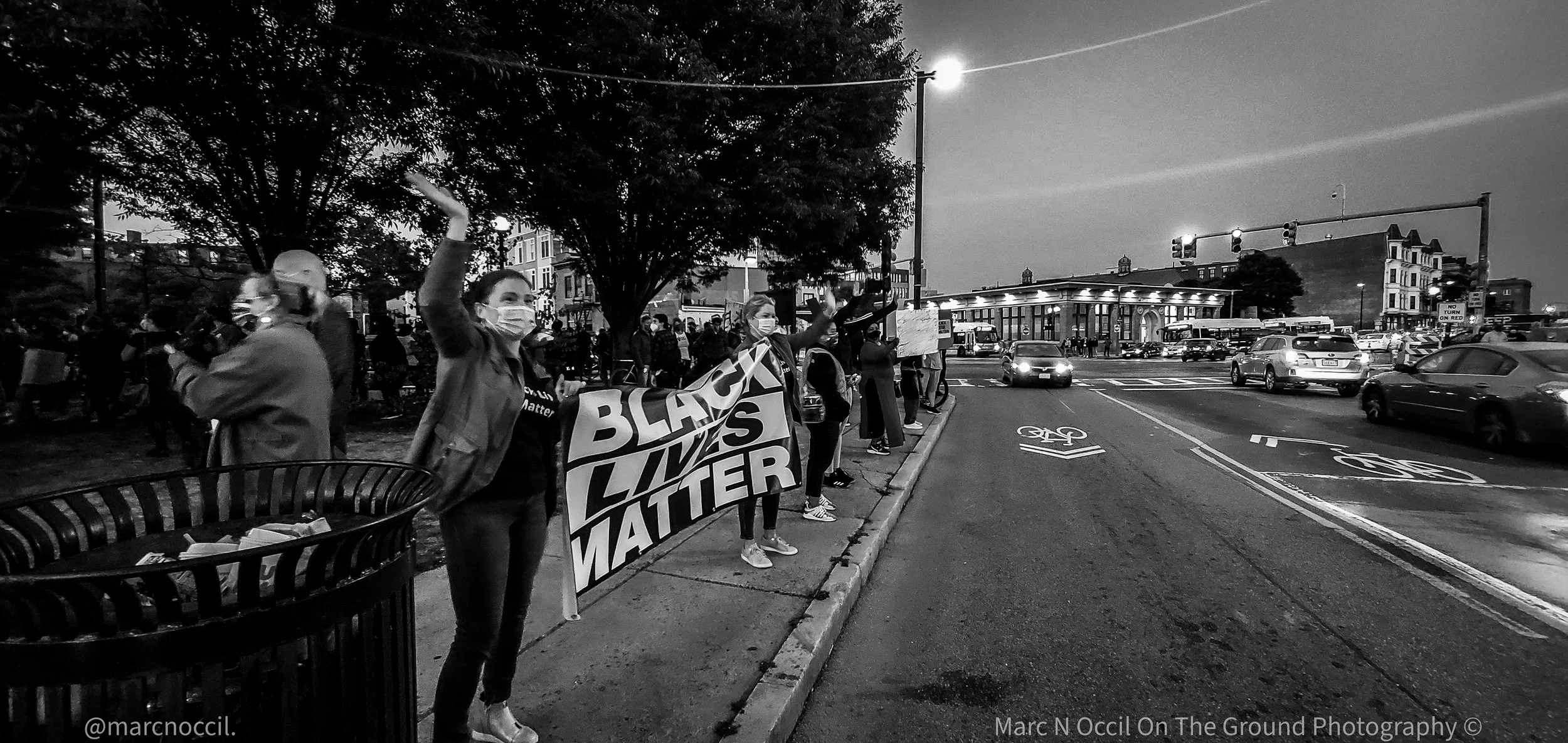
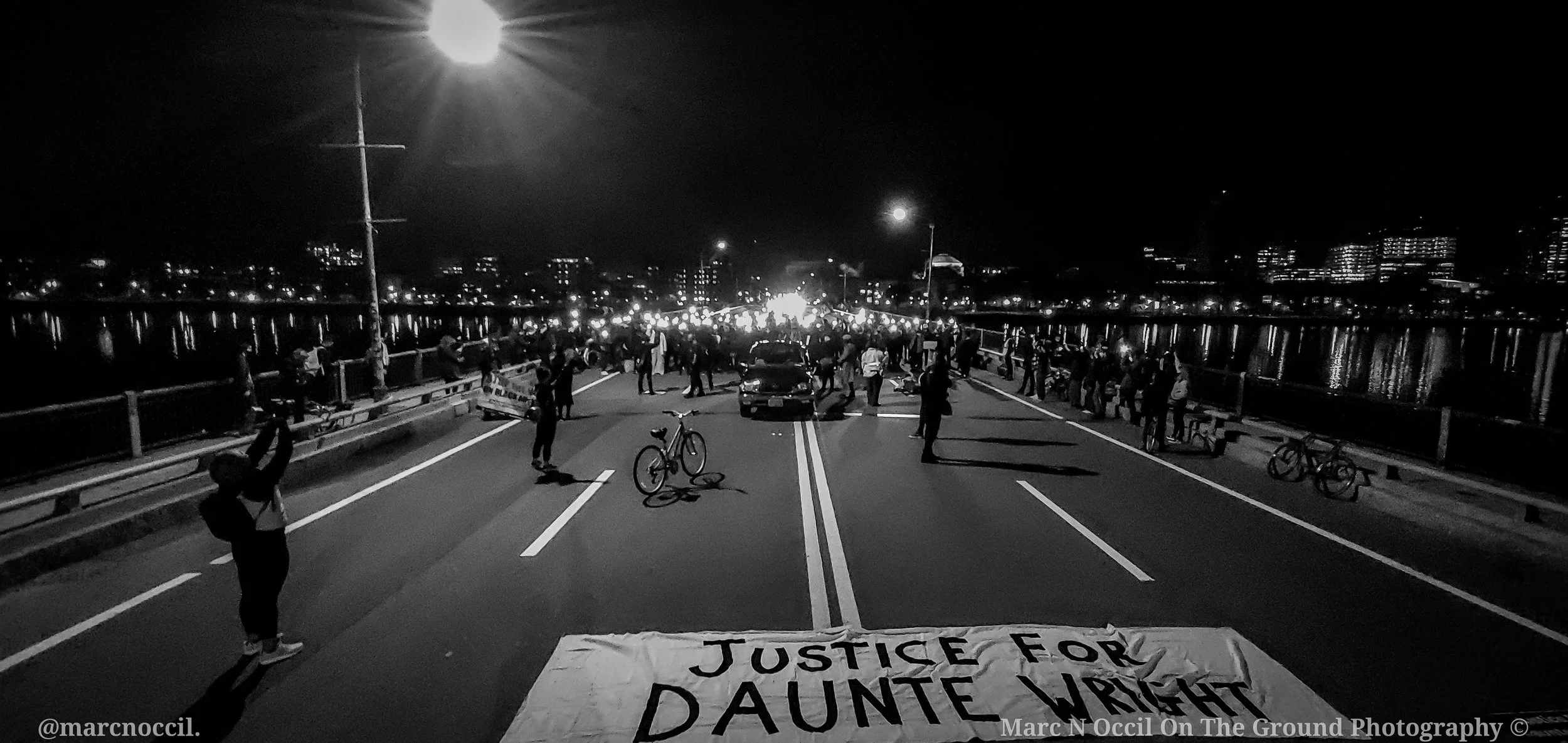
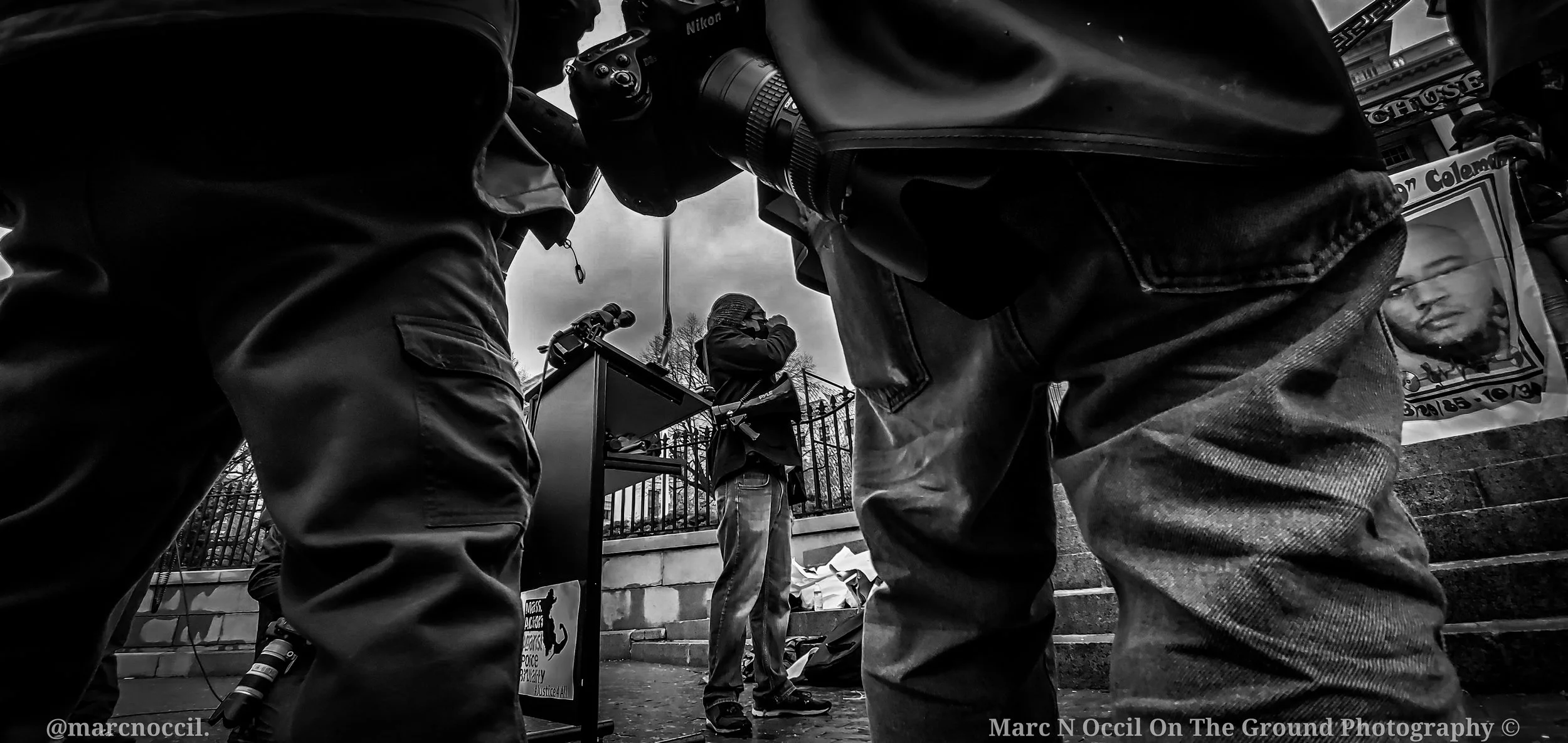
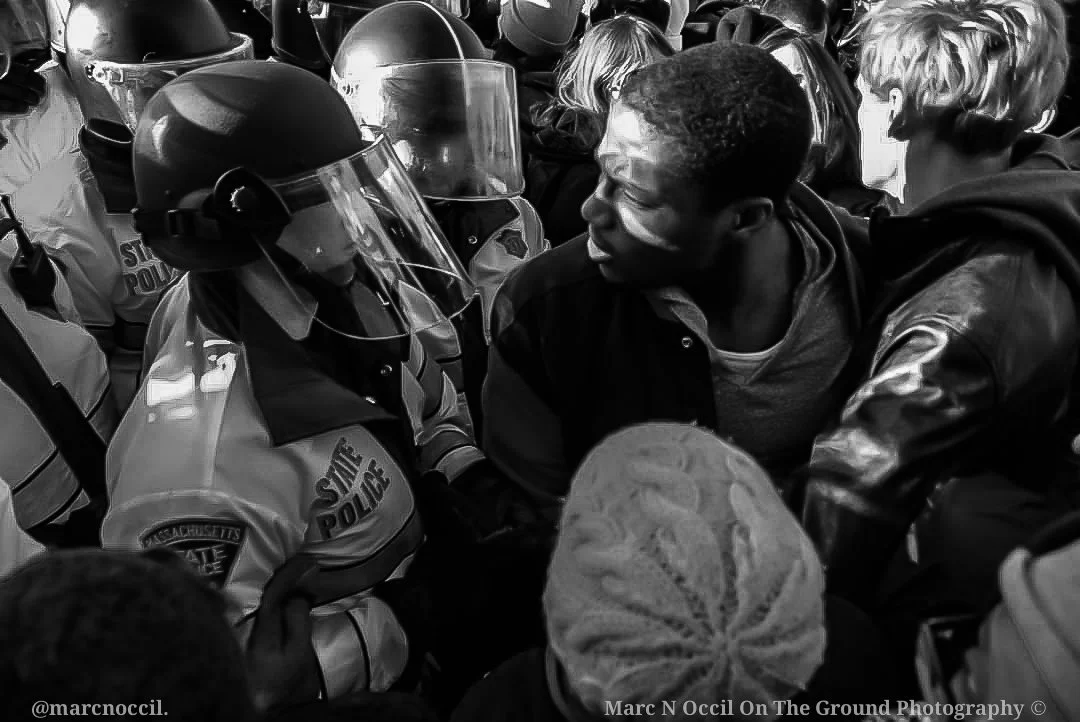
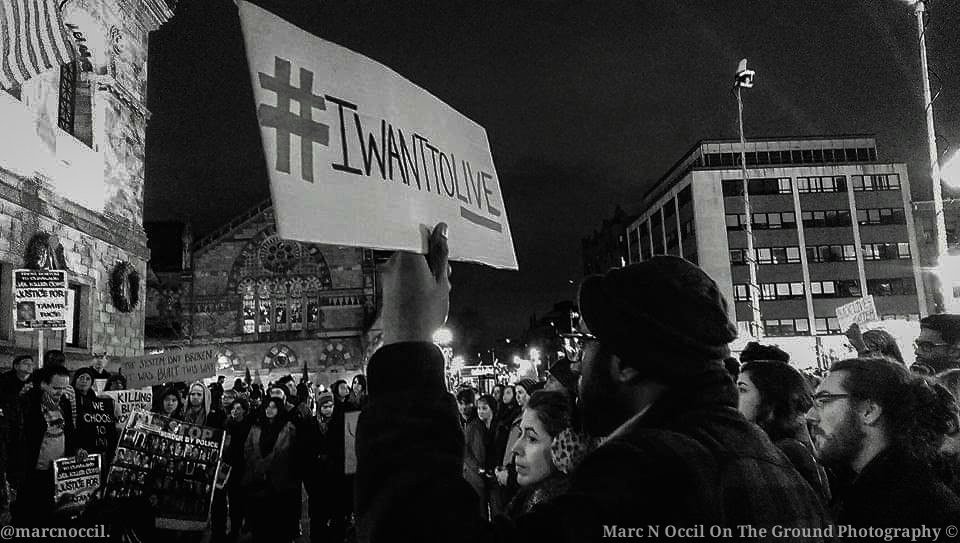
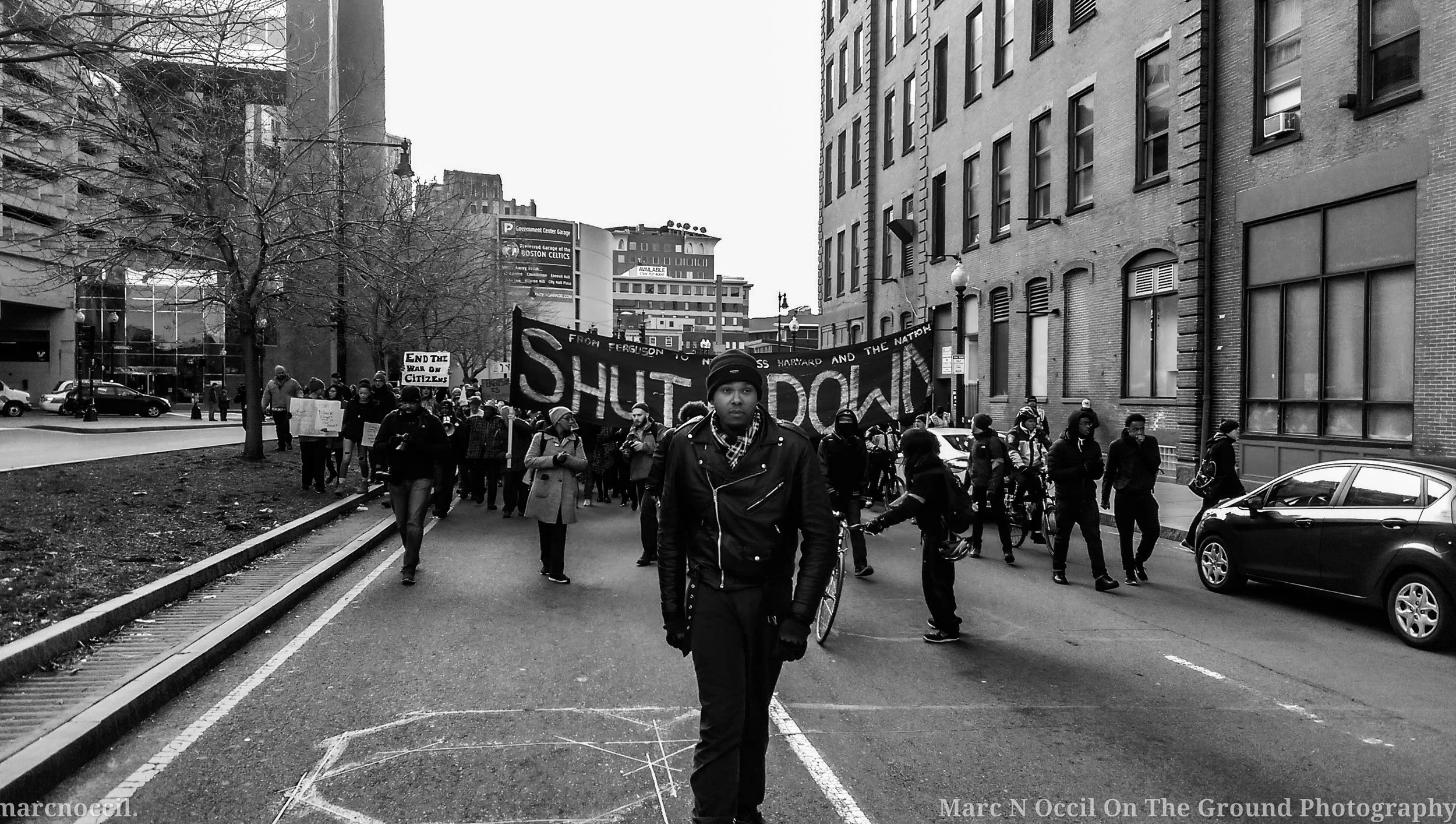
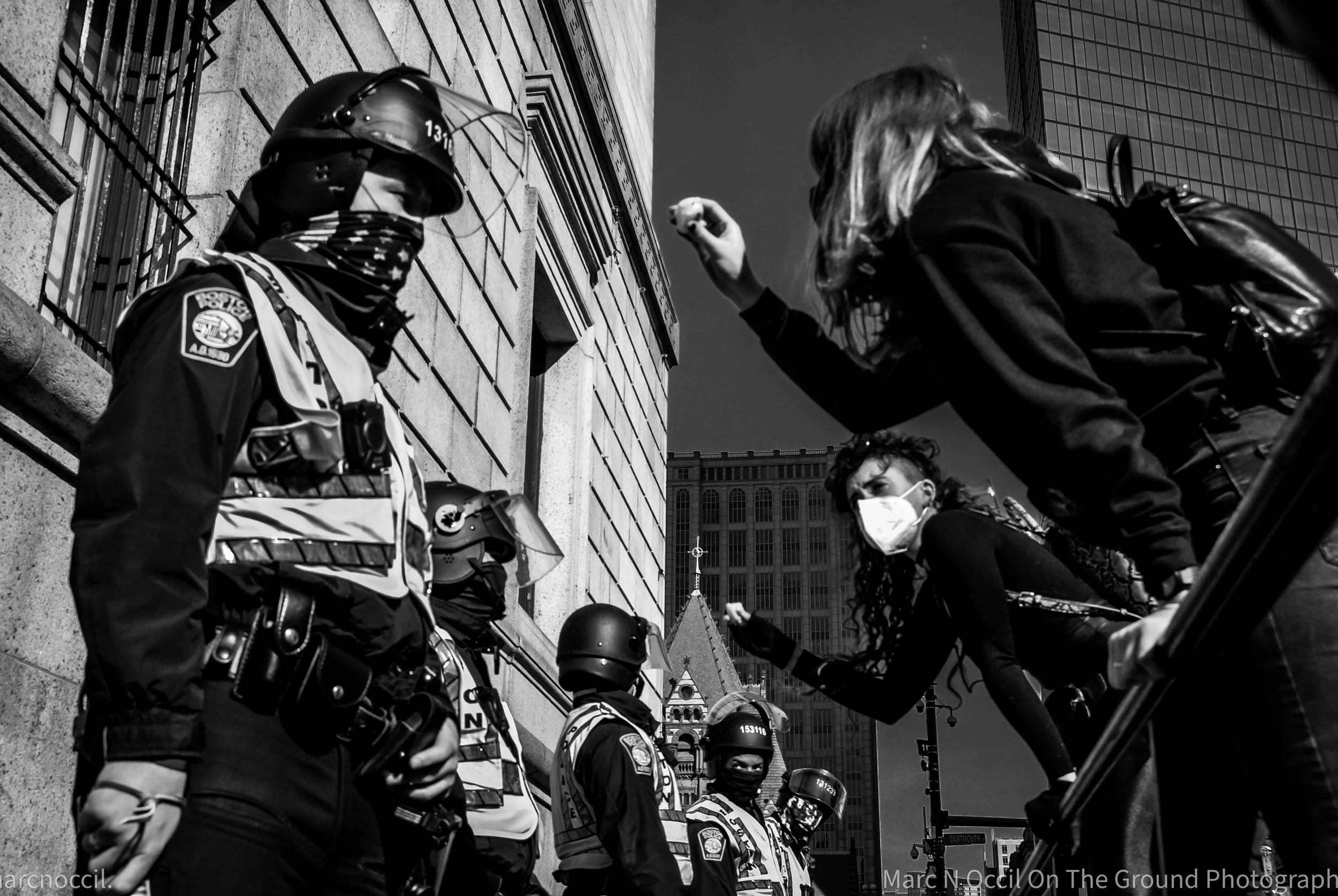
It did not begin with a hashtag. Its history reaches back through generations of resistance. People fighting for equal treatment. A challenge to a nation that refuses to learn from its history. Unfinished work passed from one generation to the next.
In 2013, three brave women, Alicia Garza, Patrisse Cullors, and Ayọ Tometi, carried that work into its next phase following the acquittal of George Zimmerman. It began with three words: “Black Lives Matter.”
Those words gave a name to something a segment of American society refused to acknowledge. Our lives. Our deaths. Our experiences cannot remain invisible until a camera records our worst or final moments.
Then Michael Brown was killed in 2014. As the movement grew, so did the list of names.
Eric Garner, 2014.
Tamir Rice, 2014.
Sandra Bland, 2015.
Freddie Gray, 2015.
Breonna Taylor, 2020.
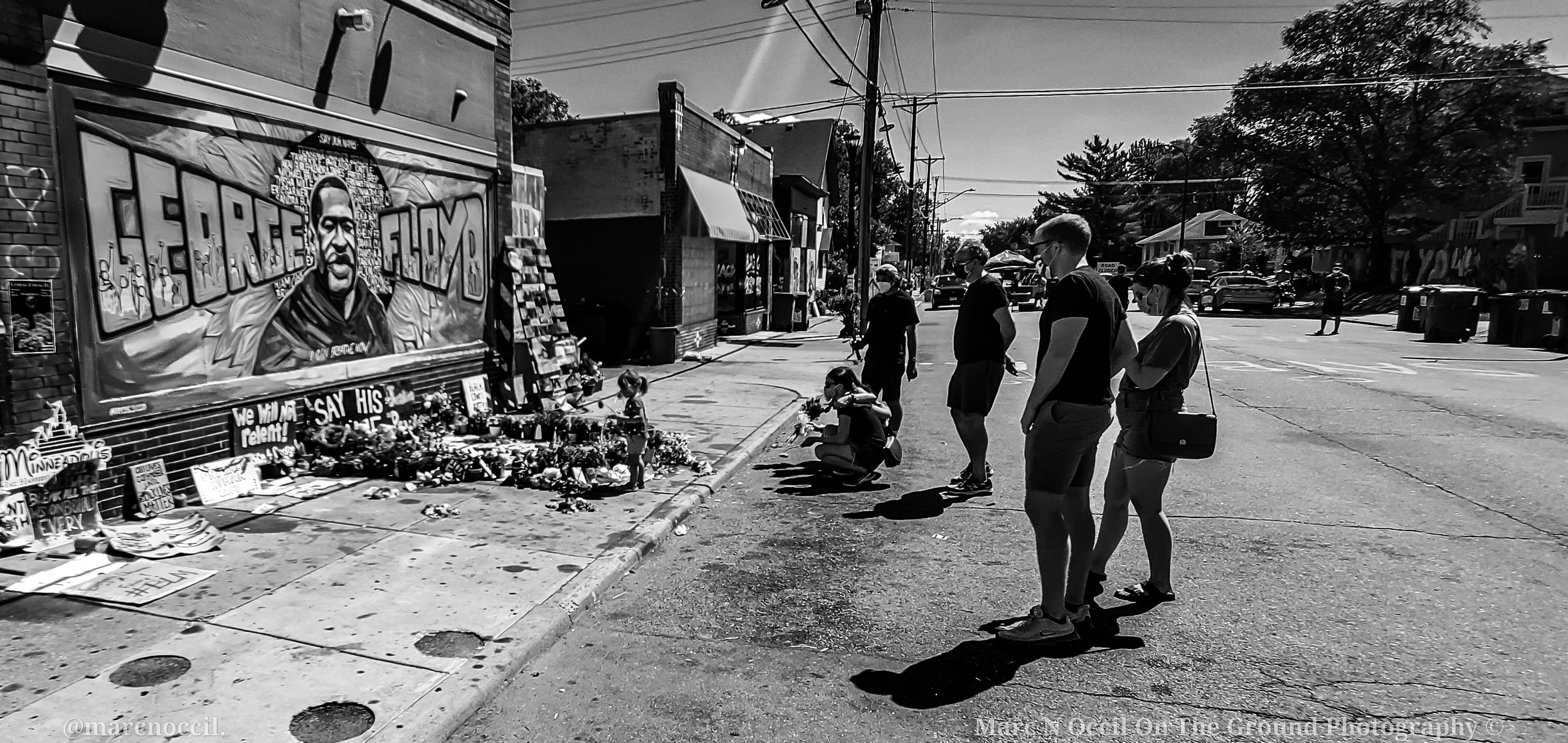
George Floyd, 2020.
Cellphone cameras and social media brought events once buried inside police reports directly before millions of people.
The work continued through a new generation using new tools. Local organizers replaced centralized leadership. Digital communication carried the message across borders. The movement confronted policing, incarceration, housing, education, employment, healthcare, and who receives protection from the institutions created to serve us.
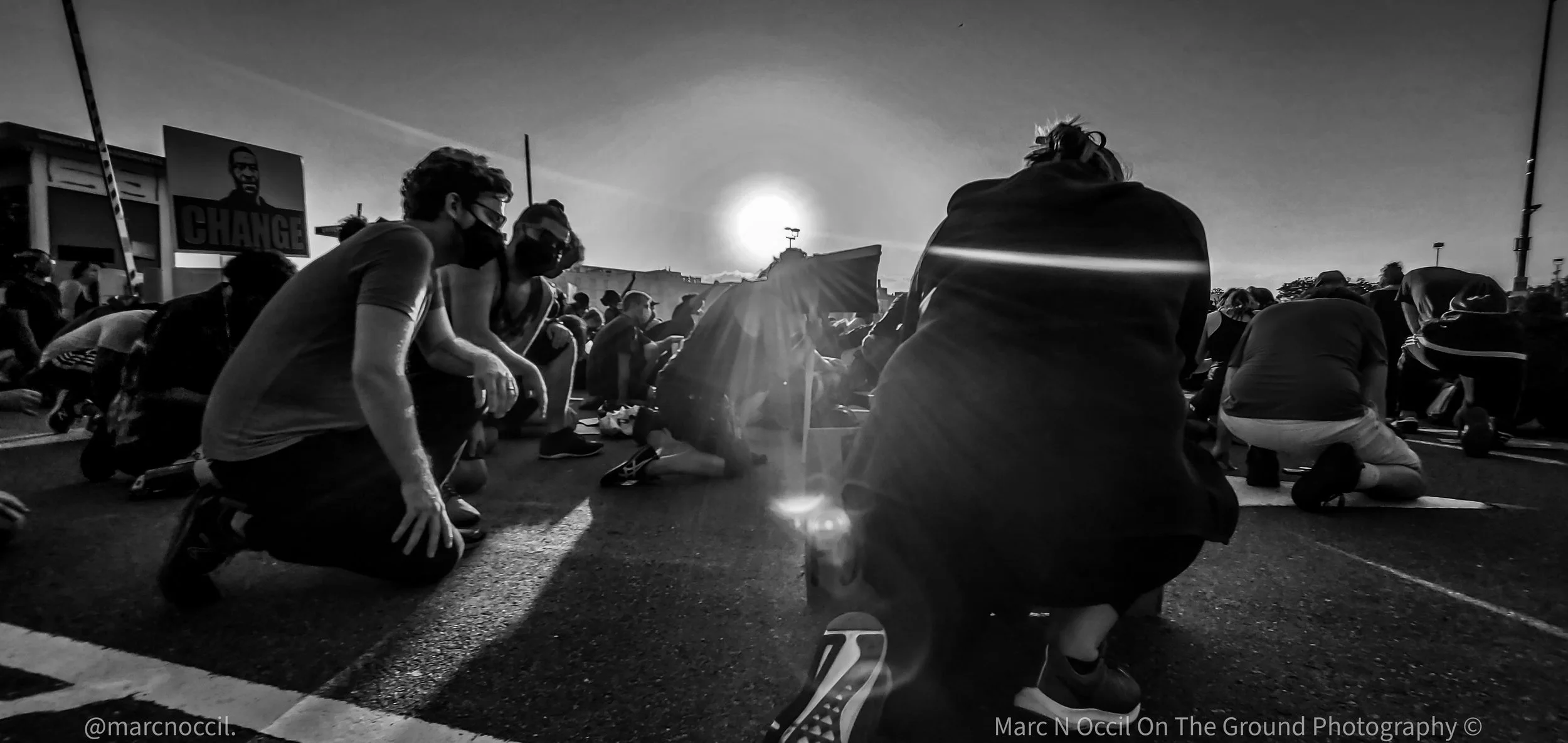
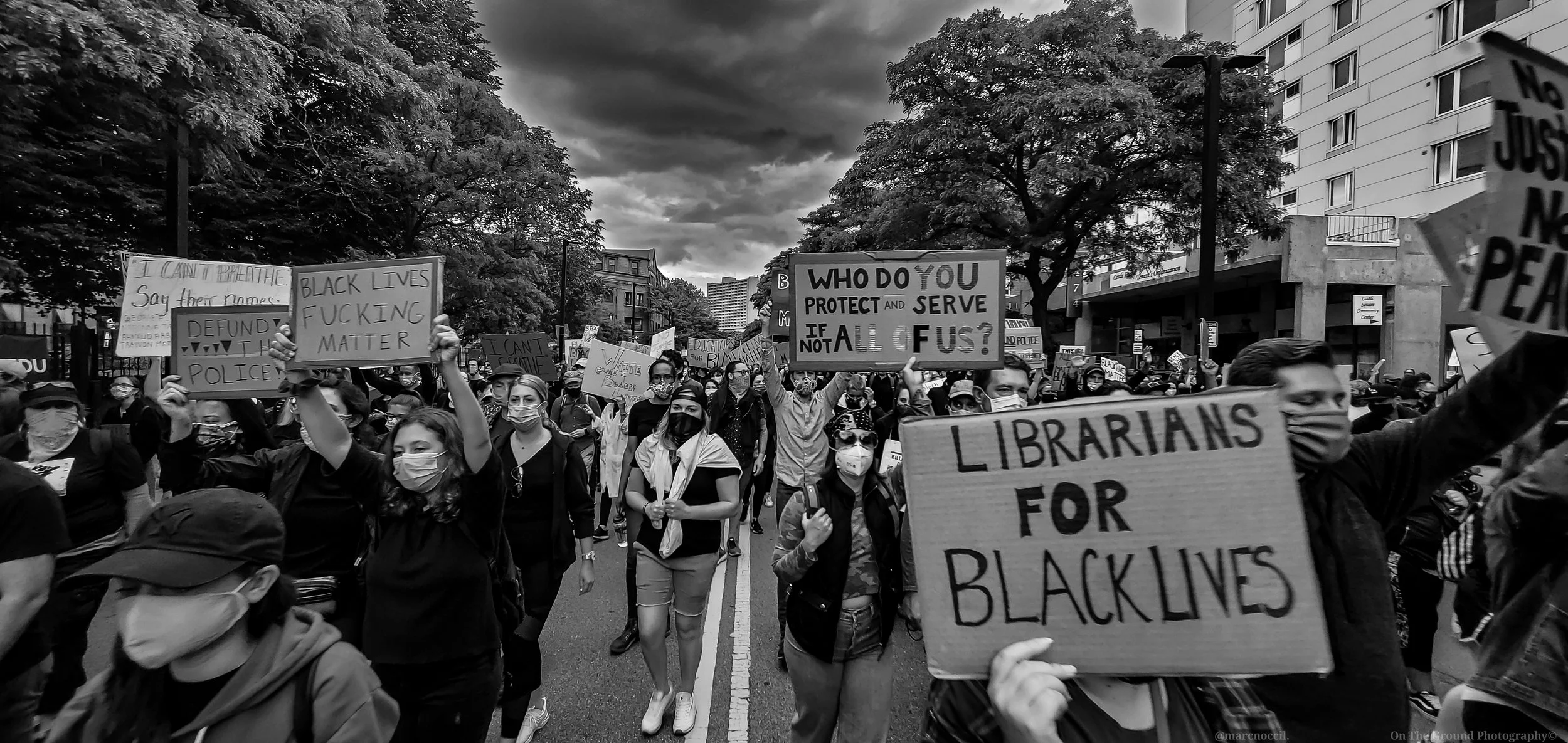
George Floyd’s murder at the hands of police shifted everything in 2020. Millions entered the streets. Institutions made promises. Corporations issued statements. Murals were painted. Some policies changed, briefly. Many promises disappeared. Statements became just that. Public attention moved elsewhere when the next thing happened.
The struggle goes on.